

Finding the right word for beautiful can make your writing feel more polished, expressive, and memorable. While beautiful is a perfectly natural adjective, it can sometimes feel too general when you want to describe a person, place, artwork, design, idea, or experience with more elegance.
Fancy alternatives such as exquisite, stunning, resplendent, captivating, alluring, magnificent, and breathtaking can add different shades of meaning. The best choice depends on what you are describing and the tone you want. A word that sounds perfect in a wedding description may feel exaggerated in a business email.
This guide explains useful fancy synonyms for beautiful, from formal literary choices to sophisticated everyday alternatives. You will also learn how each word differs in meaning, where it works best, and how to use it naturally in sentences.
Quick Answer
Fancy synonyms for beautiful include exquisite, elegant, gorgeous, stunning, magnificent, breathtaking, radiant, resplendent, captivating, enchanting, alluring, sublime, picturesque, splendid, and ravishing. The best choice depends on context: exquisite suggests exceptional refinement, elegant suggests tasteful beauty, and breathtaking suggests beauty that creates strong admiration.
Fancy Synonyms for Beautiful: Quick List
Closest Elegant Alternatives
- Exquisite
- Elegant
- Gorgeous
- Stunning
- Magnificent
- Breathtaking
- Splendid
- Radiant
- Captivating
- Enchanting
- Alluring
- Sublime
- Resplendent
- Ravishing
- Picturesque
More Literary Choices
- Ethereal
- Bewitching
- Mesmerizing
- Serene
- Luminous
- Graceful
- Dazzling
- Transcendent
- Exalted
- Divine
Not all of these are exact synonyms. For example, serene describes a calm kind of beauty, while dazzling emphasizes brilliance or visual impact.
Formal Alternatives to Beautiful
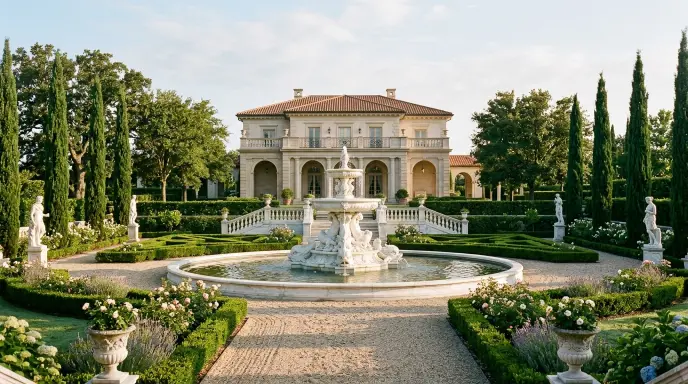
1. Exquisite
Meaning: Extremely beautiful, delicate, or well-made.
Explanation: Exquisite is one of the strongest sophisticated alternatives to beautiful. It often suggests exceptional quality, refinement, or careful detail.
Example: The gallery displayed an exquisite collection of handmade jewelry.
Best Use: Art, jewelry, fashion, craftsmanship, food, writing, and carefully designed objects.
Worst Use: Ordinary situations where the word may sound unnecessarily grand.
Tone: Refined, elegant, sophisticated.
2. Elegant
Meaning: Beautiful in a graceful, tasteful, and polished way.
Explanation: Elegant focuses less on dramatic beauty and more on simplicity, balance, and good taste.
Example: The restaurant had an elegant interior with simple furnishings.
Best Use: Fashion, architecture, design, writing, events, and professional descriptions.
Worst Use: Situations where you mean dramatic or overwhelming beauty.
Tone: Sophisticated, polished, restrained.
3. Magnificent
Meaning: Extremely impressive, grand, or beautiful.
Explanation: Magnificent suggests scale, grandeur, or exceptional visual impact. It is broader than beautiful because something magnificent is usually impressive as well as attractive.
Example: We watched a magnificent sunset over the mountains.
Best Use: Landscapes, architecture, performances, achievements, and spectacular scenes.
Worst Use: Small, delicate objects where grandeur is not the point.
Tone: Grand, admiring, powerful.
4. Resplendent
Meaning: Very impressive and richly beautiful.
Explanation: Resplendent often describes something that looks brilliant, splendid, or richly decorated. It has a distinctly literary feel.
Example: The hall was resplendent with flowers and golden decorations.
Best Use: Formal writing, literature, ceremonies, clothing, architecture, and vivid descriptions.
Worst Use: Casual conversation where it may sound overly dramatic.
Tone: Literary, grand, ornate.
5. Sublime
Meaning: So beautiful, impressive, or elevated that it inspires deep admiration.
Explanation: Sublime goes beyond ordinary attractiveness. It can describe beauty that feels profound, overwhelming, or almost extraordinary.
Example: The quiet mountain landscape had a sublime quality.
Best Use: Nature, art, philosophy, literature, and deeply moving experiences.
Worst Use: Simple descriptions of everyday attractiveness.
Tone: Literary, elevated, philosophical.
6. Breathtaking
Meaning: Exceptionally beautiful or impressive.
Explanation: Breathtaking emphasizes the emotional effect something has on the viewer. It does not literally mean that the person cannot breathe.
Example: The view from the hilltop was breathtaking.
Best Use: Landscapes, architecture, performances, photographs, and memorable experiences.
Worst Use: Formal technical writing where emotional language is unnecessary.
Tone: Strong, expressive, enthusiastic.
7. Splendid
Meaning: Excellent, impressive, or very attractive.
Explanation: Splendid can describe beauty, quality, or overall excellence. It is somewhat broader than beautiful.
Example: The garden looked splendid after the spring rain.
Best Use: Gardens, events, clothing, scenery, and general praise.
Worst Use: Technical descriptions requiring precise terminology.
Tone: Positive, polished, slightly traditional.
8. Radiant
Meaning: Glowing with beauty, happiness, or light.
Explanation: Radiant is especially useful when beauty appears to shine outward. It can describe a person’s expression, appearance, or something literally giving off light.
Example: She looked radiant at the celebration.
Best Use: People, smiles, expressions, sunlight, flowers, and glowing objects.
Worst Use: Objects whose beauty has nothing to do with brightness or glow.
Tone: Warm, graceful, complimentary.
9. Captivating
Meaning: So attractive or interesting that it holds your attention.
Explanation: Captivating is not a direct replacement for physical beauty. It emphasizes the power to attract and maintain attention.
Example: The artist created a captivating portrait.
Best Use: People, art, performances, stories, photographs, and experiences.
Worst Use: When you only want to describe physical appearance without implying strong appeal.
Tone: Sophisticated, expressive, engaging.
10. Enchanting
Meaning: Delightfully attractive or charming.
Explanation: Enchanting suggests a special, almost magical quality. It often describes places, moments, personalities, and experiences.
Example: The small village looked enchanting under the evening lights.
Best Use: Travel writing, nature, celebrations, stories, and charming experiences.
Worst Use: Highly technical or strictly objective writing.
Tone: Romantic, whimsical, warm.
11. Alluring
Meaning: Attractive in a way that draws people toward something.
Explanation: Alluring emphasizes attraction and appeal. It can describe people, places, colors, designs, or opportunities.
Example: The resort had an alluring combination of quiet beaches and lush gardens.
Best Use: Travel, fashion, design, marketing, and descriptive writing.
Worst Use: Situations where you want to communicate simple, innocent beauty without an element of attraction.
Tone: Sophisticated, attractive, slightly mysterious.
12. Ravishing
Meaning: Extremely attractive or beautiful.
Explanation: Ravishing is a strong compliment, traditionally used especially for a person’s appearance. It can sound dramatic in modern everyday writing.
Example: The actress looked ravishing in the evening gown.
Best Use: Fashion, literary writing, dramatic compliments.
Worst Use: Professional or neutral descriptions where restraint is preferred.
Tone: Dramatic, glamorous, expressive.
Semi-Formal and Neutral Alternatives
Stunning
Meaning: Extremely attractive or impressive.
Explanation: Stunning is one of the most versatile modern alternatives. It can describe people, photographs, buildings, scenery, designs, and results.
Example: The website has a stunning visual design.
Best Use: Everyday writing, websites, creative work, fashion, photography, and professional praise.
Worst Use: Highly formal academic analysis where a more precise description is preferable.
Tone: Strong, modern, enthusiastic.
Gorgeous
Meaning: Very beautiful or attractive.
Explanation: Gorgeous is stronger and more expressive than beautiful, but it is also more conversational.
Example: The garden looks gorgeous in early summer.
Best Use: Everyday conversation, social posts, informal writing, and friendly compliments.
Worst Use: Formal academic or legal writing.
Tone: Warm, enthusiastic, casual.
Picturesque
Meaning: Visually attractive in a way that resembles a pleasing picture.
Explanation: Picturesque is particularly useful for scenery, towns, streets, landscapes, and buildings. It is not normally a general synonym for a beautiful person.
Example: We stayed in a picturesque coastal town.
Best Use: Travel writing, landscapes, architecture, photography.
Worst Use: Describing someone’s personality or intelligence.
Tone: Descriptive, polished, scenic.
Graceful
Meaning: Beautiful because of smooth, controlled, or elegant movement or form.
Explanation: Graceful focuses on elegance and movement rather than simple attractiveness.
Example: The dancer made a graceful turn across the stage.
Best Use: Movement, dance, people, animals, design, and writing.
Worst Use: Objects where grace or fluidity is irrelevant.
Tone: Elegant, gentle, refined.
Dazzling
Meaning: Extremely impressive, brilliant, or attractive.
Explanation: Dazzling suggests brightness, brilliance, or an ability to impress strongly.
Example: The performer gave a dazzling display of skill.
Best Use: Performances, jewelry, fashion, lights, achievements, and highly impressive things.
Worst Use: Quiet, understated beauty.
Tone: Energetic, glamorous, dramatic.
Ethereal
Meaning: Extremely delicate, light, or otherworldly.
Explanation: Ethereal is not an exact synonym for beautiful. It describes a beauty that seems delicate, heavenly, dreamlike, or not quite of this world.
Example: Mist gave the forest an ethereal appearance.
Best Use: Poetry, photography, nature, fantasy-inspired descriptions, fashion, and creative writing.
Worst Use: Simple business communication.
Tone: Literary, dreamy, delicate.
Luminous
Meaning: Giving off or reflecting light; also metaphorically bright and beautiful.
Explanation: Luminous works literally for light and figuratively for a person, expression, or work that seems especially bright or inspiring.
Example: The painting had a luminous quality that made the colors seem alive.
Best Use: Art, photography, light, skin descriptions, and literary writing.
Worst Use: Ordinary objects with no connection to brightness or visual glow.
Tone: Artistic, sophisticated.
Mesmerizing
Meaning: So fascinating or beautiful that it holds your attention completely.
Explanation: Mesmerizing emphasizes the viewer’s reaction rather than beauty alone.
Example: The northern lights created a mesmerizing display across the sky.
Best Use: Nature, performances, art, videos, and unusual visual experiences.
Worst Use: Formal descriptions requiring neutral language.
Tone: Expressive, dramatic.
Informal and Casual Alternatives
Some casual alternatives are useful, but they are not necessarily “fancy.” They work when you want enthusiastic, natural language.
Gorgeous
Example: That sunset is gorgeous.
Natural When: Talking with friends or writing informal social content.
Avoid When: Writing a formal report or academic paper.
Tone: Casual and enthusiastic.
Stunning
Example: Your new design looks stunning.
Natural When: Giving friendly praise or discussing creative work.
Avoid When: You need a strictly objective description.
Tone: Modern and expressive.
Pretty
Example: The little café is really pretty.
Natural When: Describing pleasant, attractive things.
Avoid When: You need to communicate exceptional or dramatic beauty.
Tone: Casual, simple, gentle.
Lovely
Example: What a lovely garden.
Natural When: Everyday conversation and polite compliments.
Avoid When: You want to emphasize spectacular beauty.
Tone: Warm, friendly, understated.
Gorgeous-looking
Example: The new building is gorgeous-looking from the outside.
Natural When: Informal conversation.
Avoid When: Formal writing, where a more precise adjective usually sounds better.
Tone: Very casual.
True Synonyms vs. Contextual Alternatives
Not every elegant word can replace beautiful in every sentence.
| Type | What It Means | Can It Replace the Original? |
|---|---|---|
| True synonym | Has essentially the same core meaning | Usually, depending on tone |
| Near synonym | Shares the main idea but adds a different shade | Sometimes |
| Contextual alternative | Works in a particular situation | Only in suitable contexts |
| Broader expression | Covers beauty plus another quality | Sometimes |
| Narrower expression | Describes one specific kind of beauty | Only when that quality is intended |
For example, gorgeous is a close alternative to beautiful, while picturesque is much narrower because it mainly applies to visually attractive scenes or places. Captivating focuses on the ability to hold attention, and radiant suggests glowing beauty.
Industry-Specific Usage

Business Writing
Business writing usually benefits from precise, restrained alternatives rather than dramatic compliments.
Good choices include:
- Elegant
- Refined
- Striking
- Well-designed
- Visually appealing
- Sophisticated
Example:
“The new interface has an elegant and intuitive design.”
This sounds more professional than calling the interface “ravishing.”
Corporate Communication
For company announcements, presentations, and internal documents, choose words that praise quality without sounding exaggerated.
Example:
“The redesigned office provides a sophisticated and welcoming environment for employees and visitors.”
Academic Writing
Academic writing generally avoids highly emotional words such as gorgeous or ravishing. More precise language works better.
Instead of:
The researcher found a beautiful pattern.
Consider:
The researcher identified an elegant pattern in the data.
Here, elegant refers to simplicity or effectiveness rather than physical attractiveness.
Customer Service
Customer-facing communication should sound warm but natural.
Example:
“Thank you for your kind feedback. We are pleased that you found the new design appealing.”
Appealing is often better than breathtaking because it sounds professional and measured.
Legal Writing
Legal writing should prioritize precision over decorative language. Words such as beautiful, gorgeous, or exquisite rarely add useful legal meaning.
If appearance is legally relevant, use specific factual descriptions rather than subjective praise.
Email Communication
For professional emails, useful alternatives include:
- Elegant
- Refined
- Striking
- Impressive
- Visually appealing
- Well-designed
Choose the word according to what you are actually praising.
Email Examples
1. Client Design Feedback
Subject: Feedback on the New Website Design
Hi Sarah,
The new homepage has an elegant design, and the simpler layout makes the main information much easier to find. I especially like how the typography works with the updated navigation.
Thank you for the thoughtful work on this revision.
Best,
Alex
2. Project Update
Subject: Project Presentation Update
Hi Daniel,
The presentation is coming together very well. The updated visuals are striking without distracting from the main points, which should make the information easier for the audience to follow.
Please let me know if you would like me to review the final slides.
Best,
Maya
3. Vendor Communication
Subject: Product Samples
Hello James,
Thank you for sending the samples. The finish is exquisite, particularly on the smaller pieces, and the overall quality is impressive.
We will complete our review and send you our feedback shortly.
Kind regards,
Nina
4. Academic Communication
Subject: Feedback on the Research Presentation
Dear Professor Lee,
Thank you for your feedback on my presentation. I revised the visual section to create a more refined connection between the charts and the written analysis.
I appreciate your suggestions and will incorporate the remaining comments before submitting the final version.
Sincerely,
Jordan
5. Internal Workplace Email
Subject: Office Renovation
Hi everyone,
The renovated meeting area looks fantastic. The new lighting and furniture create a sophisticated space that should work well for both team meetings and client visits.
Thanks to everyone who helped coordinate the changes.
Best,
Chris
Short Dialogue Examples
Workplace
Person A: What do you think of the new presentation design?
Person B: It looks elegant. The layout is simple without feeling plain.
Classroom
Person A: How would you describe the painting?
Person B: I would call it captivating because the composition keeps drawing my attention.
Customer Service
Person A: The new package design looks great.
Person B: Thank you! We wanted something refined but still approachable.
Casual Conversation
Person A: Have you seen the garden after the rain?
Person B: Yes, it’s gorgeous.
Professional Discussion
Person A: What stands out about the building?
Person B: Its graceful proportions give it a distinctive appearance.
How to Replace “Beautiful” in a Sentence
1. Appearance
Original: She wore a beautiful dress.
Alternative: She wore an exquisite dress.
Why it works: Exquisite suggests exceptional craftsmanship, detail, or elegance.
2. Landscape
Original: We saw a beautiful view.
Alternative: We saw a breathtaking view.
Why it works: Breathtaking emphasizes the powerful emotional impact of the scenery.
3. Building
Original: The building has a beautiful design.
Alternative: The building has an elegant design.
Why it works: Elegant suggests tasteful structure and visual balance.
4. Town
Original: It is a beautiful village.
Alternative: It is a picturesque village.
Why it works: Picturesque specifically suggests an attractive scene that looks like a picture.
5. Artwork
Original: The painting is beautiful.
Alternative: The painting is captivating.
Why it works: Captivating emphasizes how strongly the artwork holds the viewer’s attention.
6. Smile
Original: She has a beautiful smile.
Alternative: She has a radiant smile.
Why it works: Radiant adds the idea of warmth and brightness.
7. Atmosphere
Original: The room had a beautiful atmosphere.
Alternative: The room had an enchanting atmosphere.
Why it works: Enchanting suggests a charming, almost magical quality.
8. Design
Original: The website has a beautiful design.
Alternative: The website has a sophisticated design.
Why it works: Sophisticated focuses on polished quality rather than beauty alone.
Comparison Table
| Phrase | Tone | Meaning / Scope | Best Use | Example |
|---|---|---|---|---|
| Beautiful | Neutral | General attractiveness | Almost any context | A beautiful garden |
| Exquisite | Formal | Exceptional refinement | Art, fashion, craftsmanship | An exquisite necklace |
| Elegant | Formal/neutral | Tasteful beauty | Design, clothing, writing | An elegant interior |
| Stunning | Neutral | Strong visual impact | Design, scenery, appearance | A stunning photograph |
| Gorgeous | Casual | Strong attractiveness | Conversation | A gorgeous sunset |
| Magnificent | Grand | Beauty plus impressive scale | Architecture, nature | A magnificent palace |
| Breathtaking | Expressive | Beauty with strong emotional impact | Views, experiences | A breathtaking landscape |
| Picturesque | Descriptive | Scenic visual beauty | Towns, landscapes | A picturesque village |
| Radiant | Warm | Glowing beauty | People, smiles, light | A radiant smile |
| Captivating | Sophisticated | Beauty that holds attention | Art, people, stories | A captivating portrait |
| Enchanting | Literary | Charming, magical beauty | Places, experiences | An enchanting garden |
| Resplendent | Literary | Rich, brilliant beauty | Clothing, interiors | A resplendent hall |
| Sublime | Elevated | Profound or extraordinary beauty | Nature, art | A sublime landscape |
| Ethereal | Literary | Delicate, otherworldly beauty | Art, nature | An ethereal scene |
Which Alternative Should You Choose?
For Formal Writing
Choose exquisite, elegant, refined, sublime, or resplendent, depending on the context.
For Business Communication
Choose elegant, sophisticated, refined, striking, or visually appealing.
For Academic Writing
Prefer precise words such as elegant, aesthetically pleasing, harmonious, or striking when they accurately describe what you mean.
For Legal Writing
Avoid subjective beauty terms unless the legal context specifically requires an appearance-based description. Favor objective, measurable language.
For Professional Email
Elegant, refined, striking, impressive, and well-designed are usually safer than highly dramatic choices.
For Everyday Conversation
Use beautiful, gorgeous, stunning, lovely, or pretty.
For Casual Messages
Gorgeous, stunning, lovely, and pretty sound natural, depending on the situation.
Grammar and Usage Guide
Beautiful Is Usually an Adjective
Beautiful describes a noun.
Correct:
The garden is beautiful.
Correct:
She bought a beautiful painting.
The same structure applies to many alternatives:
The painting is exquisite.
The garden is enchanting.
The view is breathtaking.
Adjective Placement
Most alternatives can appear before a noun:
- an elegant dress
- an exquisite painting
- a picturesque village
- a magnificent building
They can also appear after linking verbs:
- The dress is elegant.
- The painting is exquisite.
- The village is picturesque.
Intensifiers
You can strengthen many adjectives with words such as very, truly, incredibly, absolutely, or exceptionally, but not every combination sounds equally natural.
Natural:
- incredibly beautiful
- absolutely stunning
- truly magnificent
- exceptionally elegant
Avoid stacking too many intensifiers:
The incredibly absolutely breathtakingly beautiful view
A simpler sentence is usually stronger:
The view was absolutely breathtaking.
Beautiful vs. Beautify vs. Beauty
These words have different grammatical roles:
- Beautiful — adjective
- Beauty — noun
- Beautify — verb
- Beautifully — adverb
Examples:
The building is beautiful.
The building’s beauty is obvious.
The renovation helped beautify the entrance.
The building was beautifully designed.
Common Mistakes to Avoid
1. Treating Every Alternative as an Exact Synonym
Picturesque is not a universal replacement for beautiful. It usually describes visually attractive scenery or places.
2. Using Overly Dramatic Language
Calling an ordinary office “resplendent” may make the writing sound unnatural.
3. Using Casual Words in Formal Writing
Gorgeous can sound too conversational in an academic essay or formal report.
4. Ignoring the Type of Beauty
Use radiant for glowing beauty, graceful for elegant movement, and picturesque for scenic beauty.
5. Repeating One Strong Word
Using stunning five times in the same paragraph makes the writing feel repetitive.
6. Confusing Beauty With Interest
Captivating means something holds attention. It does not necessarily mean physically beautiful.
7. Choosing Complexity Over Clarity
A fancy word is not automatically a better word. If beautiful communicates your meaning clearly, keep it.
8. Overusing Literary Vocabulary
Words such as ethereal, sublime, and resplendent can be effective, but frequent use may make ordinary writing feel theatrical.
When Not to Use “Beautiful”
There are situations where another word may be more precise.
1. When You Mean Impressive
Use magnificent or remarkable rather than beautiful.
2. When You Mean Tasteful
Use elegant or refined.
3. When You Mean Scenic
Use picturesque.
4. When You Mean Glowing
Use radiant or luminous.
5. When You Mean Attention-Grabbing
Use captivating or mesmerizing.
6. When You Mean Delicate and Otherworldly
Use ethereal.
7. When You Need Neutral, Simple Language
Keep beautiful. It is clear, familiar, and widely understood.
Advanced Writer Tips
Tone Control
Think about emotional intensity before choosing a synonym.
Neutral: beautiful
Polished: elegant
Strong: stunning
Dramatic: breathtaking
Literary: sublime
Dreamlike: ethereal
This gives you control over how strongly your sentence feels.
Professional Email Etiquette
Professional writing usually benefits from understated praise. Instead of saying something is “absolutely breathtaking,” consider whether elegant, refined, or well-designed communicates your point more naturally.
Politeness
Some words can make a compliment feel warmer, while others can make it more intense. Lovely is generally gentle, while ravishing is much stronger and more personal.
Context Alignment
Ask three questions:
- What am I describing?
- What quality do I want to emphasize?
- Who will read this?
The answer will usually reveal the best alternative.
Precision
Do not choose exquisite simply because it sounds fancy. Use it when exceptional refinement or quality is genuinely part of the meaning.
Readability
Fancy vocabulary should improve the sentence, not make it harder to understand.
Compare:
The resplendent architectural structure exhibited an ethereal aesthetic.
with:
The elegant building had a graceful, almost dreamlike appearance.
The second sentence is easier to understand while still sounding polished.
Related Questions
1. What is another fancy way to say beautiful?
Useful choices include exquisite, elegant, stunning, magnificent, breathtaking, captivating, enchanting, radiant, and sublime. The best word depends on whether you want to emphasize refinement, visual impact, emotional effect, charm, or grandeur.
2. What is a professional alternative to beautiful?
Elegant, refined, sophisticated, striking, and visually appealing are useful professional alternatives. For business writing, choose a word that explains the specific quality you are praising.
3. What is a formal alternative to beautiful?
Exquisite, elegant, magnificent, sublime, and resplendent can sound formal or literary. However, they differ in meaning and should not be treated as interchangeable.
4. What can I use instead of beautiful in an essay?
Choose a precise adjective based on your subject. Elegant may work for a simple design, picturesque for scenery, captivating for artwork, and striking for a noticeable visual feature.
5. Is beautiful a formal word?
Yes. Beautiful is a standard adjective that works in formal, neutral, and everyday English. It is not inherently casual.
6. Can I use gorgeous instead of beautiful?
Often, yes. Gorgeous is a close alternative, but it is generally more expressive and conversational. It may be less suitable for formal academic or professional writing.
7. What is the difference between beautiful and exquisite?
Beautiful is a broad term for attractiveness. Exquisite is stronger and usually suggests exceptional refinement, delicacy, craftsmanship, or detail. Therefore, exquisite should not automatically replace beautiful in every sentence.
FAQs
1. What is the fanciest word for beautiful?
There is no single “fanciest” word. Exquisite, resplendent, sublime, and ethereal can sound highly sophisticated, but each describes a different kind of beauty. Exquisite is especially useful when refinement and exceptional quality are important.
2. What is a sophisticated way to say very beautiful?
Exquisite, stunning, breathtaking, magnificent, and captivating are strong choices. Select one based on the effect you want rather than simply choosing the most complicated word.
3. What word means beautiful and elegant?
Elegant itself can describe beauty combined with grace, taste, simplicity, and polish. Graceful can also work when movement or form is part of the description.
4. What is a literary synonym for beautiful?
Sublime, ethereal, resplendent, enchanting, and luminous can have a literary feel. Their meanings are more specific than the general adjective beautiful.
5. What is a fancy word for a beautiful place?
Depending on the place, you might use picturesque, enchanting, magnificent, breathtaking, or idyllic. Picturesque is especially suitable for attractive scenery or towns.
6. What is a fancy word for a beautiful person?
Depending on the intended meaning, radiant, elegant, striking, captivating, or alluring may work. These words emphasize different qualities, so context matters.
7. Is “stunning” stronger than “beautiful”?
Usually, yes. Stunning often suggests a stronger visual or emotional reaction. However, intensity depends on context and the speaker’s intended tone.
Key Takeaways
- Exquisite is ideal for beauty combined with refinement, delicacy, or exceptional quality.
- Elegant works well when beauty comes from tasteful simplicity, balance, or polish.
- Breathtaking and stunning emphasize strong visual or emotional impact.
- Words such as picturesque, radiant, captivating, and ethereal describe specific types of beauty rather than replacing beautiful universally.
- The best synonym is the one that matches the subject, audience, tone, and exact meaning you want to communicate.