

Fulfillment is a word that describes the satisfaction, happiness, or sense of purpose people experience when they achieve something meaningful. It can refer to personal growth, career success, emotional well-being, customer satisfaction, or the process of completing an order. The best replacement depends on what you want to express and who will read your writing.
People search for alternatives to fulfillment to make their writing clearer, avoid repetition, or choose a word that better fits a particular situation. For example, satisfaction may work when describing a positive experience, while self-actualization better expresses personal growth. In business, order processing or order completion may be more accurate when discussing deliveries. This guide explains the most useful alternatives, their meanings, and how to use them naturally in professional, academic, and everyday communication.
Quick Answer
The best synonyms for fulfillment include satisfaction, contentment, gratification, achievement, accomplishment, realization, completion, and self-actualization. Satisfaction and contentment describe positive feelings, while achievement and accomplishment emphasize success. Completion refers to finishing something, and self-actualization describes reaching your personal potential. Choose an alternative based on the intended meaning and context.
Quick List: Alternatives to Fulfillment
Here are useful alternatives grouped by meaning and tone.
Closest Synonyms
- Satisfaction
- Contentment
- Gratification
- Happiness
- Personal satisfaction
- Sense of purpose
- Emotional satisfaction
- Inner peace
Formal Alternatives
- Self-actualization
- Personal accomplishment
- Professional achievement
- Realization
- Attainment
- Personal development
- A sense of achievement
- Meaningful accomplishment
Neutral and Professional Alternatives
- Achievement
- Accomplishment
- Completion
- Goal attainment
- Success
- Progress
- Purpose
- Personal growth
- Career satisfaction
- Sense of accomplishment
Informal and Casual Alternatives
- Feeling happy with something
- Feeling satisfied
- Feeling accomplished
- Feeling proud
- Feeling good about your progress
- Finding meaning
- Getting a sense of purpose
Business and E-Commerce Alternatives
- Order processing
- Order completion
- Delivery management
- Order delivery
- Service completion
- Customer satisfaction
Note: Business terms such as order processing and delivery management are contextual alternatives, not synonyms for emotional or personal fulfillment.
Formal Alternatives to Fulfillment

Formal alternatives are useful in academic papers, workplace reports, professional correspondence, and discussions about personal development. However, some emphasize feelings while others describe measurable results.
1. Satisfaction
Meaning: A feeling of pleasure or contentment because something meets your expectations.
Explanation: Satisfaction is one of the closest synonyms when fulfillment refers to a positive emotional response. However, satisfaction can be temporary, while fulfillment often suggests deeper or longer-lasting meaning.
Example: Her work as a teacher gives her a strong sense of satisfaction.
Best Use: Professional writing, customer feedback, career discussions, and personal reflections.
Worst Use: Avoid it when you specifically mean finishing a task or reaching your full potential.
Tone: Neutral, professional, and widely understood.
2. Contentment
Meaning: A peaceful feeling of being happy with your situation.
Explanation: Contentment emphasizes inner peace and acceptance rather than achievement or ambition.
Example: He found contentment in a simple lifestyle and meaningful relationships.
Best Use: Personal development, lifestyle writing, and emotional well-being.
Worst Use: It may sound inaccurate when describing the excitement of reaching a difficult goal.
Tone: Calm, reflective, and slightly literary.
3. Gratification
Meaning: Pleasure or satisfaction gained from an experience or action.
Explanation: Gratification often refers to the pleasure someone receives from an activity, reward, or result. It can be immediate or delayed.
Example: Helping struggling students gave her a deep sense of gratification.
Best Use: Formal writing about motivation, service, and rewarding experiences.
Worst Use: Avoid it when you mean a broad, lasting sense of purpose unless the context supports that meaning.
Tone: Formal and analytical.
4. Achievement
Meaning: Something successfully accomplished through effort or ability.
Explanation: Achievement emphasizes the result of effort rather than the feelings associated with fulfillment.
Example: Completing the research project was a major professional achievement.
Best Use: Resumes, performance reviews, academic writing, and career discussions.
Worst Use: It is less suitable when describing peaceful happiness without a specific accomplishment.
Tone: Professional and results-oriented.
5. Accomplishment
Meaning: Something successfully completed, often through skill, effort, or determination.
Explanation: Accomplishment is close to achievement. It can also describe the positive feeling that comes from completing meaningful work.
Example: Publishing her first book gave her a lasting sense of accomplishment.
Best Use: Personal milestones, professional reports, and discussions of progress.
Worst Use: Avoid using it as a direct replacement when the sentence concerns emotional well-being without any completed goal.
Tone: Positive, confident, and professional.
6. Self-Actualization
Meaning: The process of developing and expressing your full potential.
Explanation: This term is narrower than fulfillment. It focuses on personal growth, self-understanding, and becoming the person you want to be.
Example: He viewed creative freedom as an important part of self-actualization.
Best Use: Psychology-related discussions, personal development, and academic writing.
Worst Use: It can sound overly technical in casual conversation or when discussing a simple task.
Tone: Academic and reflective.
7. Attainment
Meaning: The achievement of a goal, standard, or desired position.
Explanation: Attainment emphasizes reaching a particular objective rather than experiencing emotional satisfaction.
Example: The attainment of her long-term career goals brought a sense of pride.
Best Use: Academic reports, formal evaluations, and discussions of measurable goals.
Worst Use: It sounds stiff in everyday conversation and may not express emotional meaning.
Tone: Formal and precise.
8. Realization
Meaning: The achievement or development of something desired, or the understanding of something previously unclear.
Explanation: Realization can describe making a goal or vision real. However, it also means becoming aware of a fact, so context matters.
Example: The realization of his lifelong ambition brought him considerable joy.
Best Use: Formal writing about goals, plans, ambitions, and personal growth.
Worst Use: Avoid it when the sentence could be understood as discovering information rather than achieving a goal.
Tone: Formal and thoughtful.
9. Personal Development
Meaning: The process of improving your abilities, knowledge, confidence, or understanding of yourself.
Explanation: Personal development can contribute to fulfillment, but it describes the process of growth rather than the resulting feeling.
Example: She considers personal development an essential part of a meaningful career.
Best Use: Education, coaching, workplace development, and self-improvement writing.
Worst Use: It is not an exact replacement when you mean happiness or satisfaction.
Tone: Professional and growth-oriented.
10. Professional Achievement
Meaning: A significant success in a person’s career.
Explanation: This phrase narrows fulfillment to success at work. It does not necessarily imply that someone feels happy or fulfilled.
Example: Leading the research team was one of his greatest professional achievements.
Best Use: Resumes, biographies, annual reviews, and workplace communication.
Worst Use: Avoid it when discussing family life, emotional well-being, or personal meaning outside work.
Tone: Formal and career-focused.
Semi-Formal and Neutral Alternatives
These alternatives work well in everyday writing, workplace communication, school assignments, and general discussions.
1. Sense of Purpose
Meaning: The feeling that your activities or life have meaning and direction.
Explanation: A sense of purpose can contribute to fulfillment, but it emphasizes meaning rather than satisfaction itself.
Example: Volunteering gave her a stronger sense of purpose.
Best Use: Personal development, career planning, and discussions about meaningful work.
Worst Use: Avoid it when you simply mean that a task has been completed.
Tone: Thoughtful and accessible.
2. Sense of Accomplishment
Meaning: The positive feeling that comes from doing something worthwhile or difficult.
Explanation: This is a particularly useful alternative when fulfillment results from completing a challenging task.
Example: Finishing the assignment ahead of schedule gave me a sense of accomplishment.
Best Use: Education, work, personal goals, and progress updates.
Worst Use: It may not fully express long-term emotional or spiritual satisfaction.
Tone: Natural, positive, and professional.
3. Success
Meaning: The achievement of a desired result.
Explanation: Success may lead to fulfillment, but the two are not identical. Someone can achieve success without feeling personally satisfied.
Example: For her, success means building a career that supports her values.
Best Use: Career discussions, business writing, goal setting, and everyday communication.
Worst Use: Avoid it when you need to emphasize emotional satisfaction rather than results.
Tone: Direct and confident.
4. Personal Growth
Meaning: Improvement in your understanding, abilities, confidence, or maturity.
Explanation: Personal growth describes a process that may create fulfillment rather than the feeling itself.
Example: Traveling alone contributed to her personal growth.
Best Use: Reflective writing, education, coaching, and self-improvement content.
Worst Use: It may be too broad when describing a specific moment of happiness.
Tone: Positive and reflective.
5. Meaning
Meaning: A sense that something matters or has value.
Explanation: Meaning can be a source of fulfillment, particularly when discussing relationships, work, or life choices.
Example: He found meaning in helping families access education.
Best Use: Personal essays, career discussions, and writing about values.
Worst Use: Avoid it as a direct substitute when the sentence requires the idea of pleasure or completion.
Tone: Simple and thoughtful.
6. Joy
Meaning: A strong feeling of happiness.
Explanation: Joy can describe the emotional side of fulfillment, but it often suggests happiness more directly and may be less lasting or reflective.
Example: Caring for her garden brought her joy.
Best Use: Personal writing, storytelling, and everyday conversation.
Worst Use: It may sound too emotional for a formal performance report.
Tone: Warm and expressive.
7. Inner Peace
Meaning: A state of emotional calm and acceptance.
Explanation: Inner peace can be part of fulfillment, especially when the focus is on well-being rather than achievement.
Example: Spending time with his family gave him a sense of inner peace.
Best Use: Reflective writing, lifestyle content, and discussions of emotional balance.
Worst Use: Avoid it when describing professional milestones or completed orders.
Tone: Calm and personal.
8. Goal Achievement
Meaning: Successfully reaching a specific objective.
Explanation: Goal achievement is a narrower, more measurable concept than fulfillment.
Example: Regular practice helped her experience the satisfaction of goal achievement.
Best Use: Project updates, education, business reports, and personal planning.
Worst Use: It does not express the deeper emotional meaning of fulfillment by itself.
Tone: Practical and results-focused.
9. Career Satisfaction
Meaning: Happiness or contentment with your job and professional life.
Explanation: This phrase is useful when fulfillment specifically concerns work. It focuses on how someone feels about a career rather than whether they have achieved particular goals.
Example: Flexible working hours improved his career satisfaction.
Best Use: Human resources, employee feedback, career guidance, and workplace articles.
Worst Use: Avoid it when discussing personal fulfillment outside employment.
Tone: Professional and neutral.
10. Life Satisfaction
Meaning: A person’s overall judgment of how positively they view their life.
Explanation: Life satisfaction is broader than job satisfaction but more specific than fulfillment in some contexts. It commonly refers to an overall evaluation of life circumstances.
Example: Strong relationships contributed to her overall life satisfaction.
Best Use: Personal essays, social research, well-being discussions, and lifestyle writing.
Worst Use: It may be too broad when describing one successful task.
Tone: Neutral and reflective.
Informal and Casual Alternatives
Casual alternatives are useful in conversations, texts, personal blogs, and informal messages. They often explain the feeling more naturally than a single formal noun.
1. Feeling Happy With Something
Meaning: Being pleased with a result, choice, or experience.
Example: I’m happy with the progress I’ve made this year.
When It Sounds Natural: Everyday conversation, informal updates, and friendly messages.
When to Avoid It: Formal research papers or situations requiring precise terminology.
Tone: Casual and straightforward.
2. Feeling Proud
Meaning: Experiencing pleasure because of something you have done or someone you care about.
Example: I felt proud after completing my first marathon.
When It Sounds Natural: Personal conversations, social posts, and discussions of milestones.
When to Avoid It: When you mean general contentment rather than pride in an accomplishment.
Tone: Warm and personal.
3. Feeling Accomplished
Meaning: Feeling that you have achieved something worthwhile.
Example: I felt accomplished after finishing the project.
When It Sounds Natural: Conversations about work, school, hobbies, and personal goals.
When to Avoid It: Formal academic writing where a more precise term may be needed.
Tone: Friendly and positive.
4. Feeling Good About Your Progress
Meaning: Being pleased with the improvement you have made.
Example: I’m feeling good about my progress in learning English.
When It Sounds Natural: Informal updates, coaching conversations, and personal messages.
When to Avoid It: When you need to describe a final achievement rather than ongoing improvement.
Tone: Encouraging and conversational.
5. Finding What Matters to You
Meaning: Discovering activities, values, or relationships that feel important.
Example: Moving to a smaller town helped her find what mattered to her.
When It Sounds Natural: Personal conversations and reflective writing.
When to Avoid It: Business reports or situations where a concrete result must be stated.
Tone: Personal and reflective.
True Synonyms vs. Contextual Alternatives
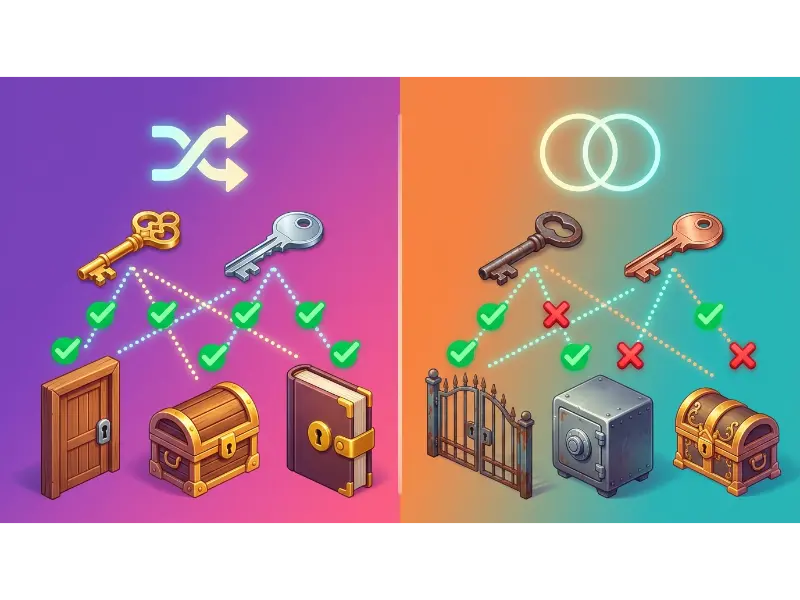
Not every word associated with fulfillment can replace it in every sentence. The main difference is whether the alternative preserves the original meaning.
| Type | What It Means | Can It Replace Fulfillment? |
|---|---|---|
| True or close synonym | Expresses a very similar idea, such as satisfaction | Often, if the context fits |
| Near synonym | Shares part of the meaning, such as contentment | Sometimes |
| Contextual alternative | Fits a specific situation, such as career satisfaction | Only in that context |
| Broader expression | Covers a larger idea, such as well-being | Sometimes, but meaning becomes broader |
| Narrower expression | Describes one type of fulfillment, such as goal achievement | Only when that specific meaning is intended |
For example, “The job gives me fulfillment” can become “The job gives me satisfaction” with little change in meaning.
However, “The job gives me fulfillment” and “The job gives me success” do not mean exactly the same thing. The first emphasizes a rewarding personal experience; the second suggests a positive result or achievement.
Industry-Specific Usage
Business Writing
In business writing, the best alternative depends on whether you are describing employee experience, customer response, or completed work.
- Employee fulfillment: Use career satisfaction when discussing how employees feel about their jobs.
- Customer fulfillment: Use customer satisfaction when referring to how well a product or service meets customer expectations.
- Project fulfillment: Use successful completion when emphasizing that project requirements have been met.
- Personal fulfillment at work: Use a sense of purpose when discussing meaningful responsibilities.
Example: “The new mentoring program improved employee satisfaction and supported professional development.”
This wording is clearer than using fulfillment to describe two different outcomes.
Corporate Communication
Corporate reports often benefit from specific, measurable language.
Instead of “The initiative brought fulfillment to the team,” consider:
- “The initiative improved employee engagement.”
- “The project gave the team a sense of accomplishment.”
- “The department successfully completed its objectives.”
- “The new policy supported professional development.”
Use engagement when describing participation or involvement, not as a direct synonym for emotional fulfillment.
Academic Writing
Academic writing requires careful distinctions between feelings, outcomes, and psychological concepts.
Useful alternatives include:
- Satisfaction
- Life satisfaction
- Personal achievement
- Self-actualization
- Goal attainment
- Sense of purpose
Example: “Participants reported greater life satisfaction after completing the program.”
Choose a term that matches what your paper actually discusses. If you are writing about personal growth, self-actualization may be appropriate. If you are describing an emotional response, satisfaction may be clearer.
Avoid using complex terms simply to sound academic.
Customer Service
In customer service, fulfillment may refer to either customer feelings or the process of preparing and delivering orders.
When discussing customer feelings, use:
- Customer satisfaction
- A positive customer experience
- Meeting customer expectations
- Customer confidence
When discussing orders, use:
- Order processing
- Order completion
- Shipping and delivery
- Order handling
Example: “We are reviewing your order and will send a delivery update as soon as it is available.”
This is more useful than saying, “We are reviewing your fulfillment,” if the customer simply wants to know when a package will arrive.
Legal Writing
Legal writing requires special care because related words may carry different meanings in contracts, regulations, and formal documents.
In ordinary language, fulfillment may mean completing an obligation or meeting a requirement. Depending on the document, alternatives might include:
- Performance of an obligation
- Satisfaction of a requirement
- Completion of a duty
- Discharge of an obligation
These phrases are not universally interchangeable. For example, performance may refer to carrying out a contractual duty, while discharge may refer to the ending of an obligation under applicable legal rules.
Example: “The agreement requires timely performance of the supplier’s obligations.”
Do not replace a defined legal term with a casual synonym without reviewing the document’s meaning. For legal documents, the appropriate wording depends on the relevant contract and jurisdiction.
Email Communication
Professional emails should communicate the result or feeling directly.
Consider these alternatives:
- “I am pleased with the progress we have made.”
- “The project has reached successful completion.”
- “This opportunity has been professionally rewarding.”
- “The new role gives me a stronger sense of purpose.”
- “We appreciate your patience while we process your order.”
The strongest choice is usually the one that explains exactly what happened or how someone feels.
Email Examples Using Alternatives to Fulfillment
1. Client Email: Satisfaction
EmailSubjectProject Completion and Feedback
Hi Jordan,
We’ve completed the latest phase of the project and would appreciate your feedback.
Our goal is to ensure your satisfaction with the final deliverables. Please let us know if anything needs clarification or adjustment.
Thank you for your collaboration.
Best,
Alex
Why it works: Satisfaction focuses on the client’s experience and whether the work meets expectations.
2. Internal Email: Sense of Accomplishment
EmailSubjectThank You for Completing the Launch
Hi Team,
We’ve officially completed the product launch.
Your careful planning and consistent communication helped us meet the deadline. I hope you feel a real sense of accomplishment after all the work that went into this project.
Thank you for your effort and support.
Best,
Morgan
Why it works: Sense of accomplishment recognizes effort and the positive feeling of completing a challenging task.
3. Career Email: Professional Growth
EmailSubjectThank You for the Development Opportunity
Hi Priya,
Thank you for allowing me to lead the new client project.
The experience has supported my professional growth and helped me develop stronger communication and planning skills. I appreciate the trust you placed in me.
Best regards,
Daniel
Why it works: Professional growth describes learning and improvement rather than emotional satisfaction alone.
4. Customer Service Email: Order Completion
EmailSubjectUpdate on Your Order
Hello Taylor,
Thank you for contacting us about your purchase.
Your order has been processed and is awaiting the next shipping update. We will share the tracking information as soon as it becomes available.
We appreciate your patience.
Best,
Customer Support Team
Why it works: Order processing describes a concrete operational step. It is more precise than using fulfillment to describe the customer’s emotional experience.
5. Vendor Email: Successful Completion
EmailSubjectConfirmation of Delivery and Completion
Hello Chris,
We have received the materials and confirmed that the delivery is complete.
Thank you for coordinating the shipment and keeping us informed throughout the process. Please send the final invoice when convenient so we can close the order on our side.
Regards,
Sam
Why it works: Completion clearly communicates that the required delivery step has finished.
Short Dialogue Examples
1. Workplace
Person A: How are you finding your new role?
Person B: It’s rewarding. I finally feel that my work has a real purpose.
2. Classroom
Person A: How did you feel after finishing your research project?
Person B: I felt a real sense of accomplishment. It took more work than I expected.
3. Customer Service
Person A: Does fulfillment mean my package has shipped?
Person B: Not necessarily. It can refer to the broader order-handling process, so let’s check your tracking status.
4. Casual Conversation
Person A: Are you happy with how things are going?
Person B: Yes, I feel good about my progress, even though I still have a few goals to reach.
5. Professional Discussion
Person A: What does career fulfillment mean to you?
Person B: For me, it’s a combination of job satisfaction, personal growth, and meaningful work.
How to Replace “Fulfillment” in a Sentence
The right alternative depends on what fulfillment means in the original sentence.
Example 1: Personal Happiness
Original: She found fulfillment in helping others.
Alternative: She found satisfaction in helping others.
Why it works: Both express a positive feeling, although fulfillment may suggest deeper meaning.
Example 2: Career
Original: He wants fulfillment in his career.
Alternative: He wants greater career satisfaction.
Why it works: The alternative focuses specifically on how he feels about his professional life.
Example 3: Personal Development
Original: Travel brought her fulfillment.
Alternative: Travel contributed to her personal growth.
Why it works: This changes the focus from a feeling to the process of learning and developing.
Example 4: Achievement
Original: Completing the course gave him fulfillment.
Alternative: Completing the course gave him a sense of accomplishment.
Why it works: The replacement emphasizes the positive feeling associated with finishing something difficult.
Example 5: Purpose
Original: Volunteering brought fulfillment to her life.
Alternative: Volunteering gave her life a stronger sense of purpose.
Why it works: The new sentence highlights meaning and direction rather than general satisfaction.
Example 6: Customer Experience
Original: The company focuses on customer fulfillment.
Alternative: The company focuses on customer satisfaction.
Why it works: This works when the intended meaning concerns customer happiness. If the sentence refers to preparing and shipping orders, order fulfillment may be more accurate.
Example 7: Completing a Requirement
Original: The fulfillment of the requirements took several months.
Alternative: Meeting the requirements took several months.
Why it works: Meeting is simpler and more direct when requirements have been satisfied.
Example 8: Achieving an Ambition
Original: The fulfillment of her dream took years of effort.
Alternative: The realization of her dream took years of effort.
Why it works: Realization emphasizes turning a dream into reality. It is a contextual alternative rather than an exact synonym in every situation.
Example 9: Work Motivation
Original: The role provides a feeling of fulfillment.
Alternative: The role is professionally rewarding.
Why it works: The revised sentence is shorter and sounds natural in workplace communication.
Example 10: Finishing an Order
Original: The fulfillment of the order was delayed.
Alternative: The processing and shipment of the order were delayed.
Why it works: This version clarifies the operational meaning. The exact replacement depends on which stage of the order was delayed.
Comparison Table: Choosing the Right Alternative
| Phrase | Tone | Meaning or Scope | Best Use | Example |
|---|---|---|---|---|
| Satisfaction | Neutral | Meeting expectations or feeling pleased | Work and customer experience | The service brought satisfaction. |
| Contentment | Reflective | Peaceful happiness | Personal well-being | She found contentment at home. |
| Gratification | Formal | Pleasure gained from an action | Professional and reflective writing | The work gave him gratification. |
| Achievement | Professional | Successful result | Career and education | It was a major achievement. |
| Accomplishment | Positive | Something successfully completed | Projects and milestones | It was a proud accomplishment. |
| Self-actualization | Academic | Developing one’s potential | Personal development | Creativity supported self-actualization. |
| Sense of purpose | Reflective | Meaning and direction | Careers and personal values | Teaching gave him a sense of purpose. |
| Personal growth | Neutral | Development and improvement | Learning and self-improvement | The experience encouraged personal growth. |
| Career satisfaction | Professional | Contentment with work | Workplace discussions | Flexibility improved career satisfaction. |
| Joy | Expressive | Strong happiness | Personal writing | Gardening brought her joy. |
| Goal achievement | Practical | Reaching a defined objective | Planning and reports | Goal achievement took persistence. |
| Order processing | Operational | Handling an order | E-commerce and logistics | Order processing begins after confirmation. |
Which Alternative Should You Choose?
Use this practical guide to select the most appropriate wording.
- For formal writing: Choose satisfaction, attainment, or realization, depending on whether you mean a feeling or a result.
- For business communication: Use customer satisfaction, successful completion, or professional achievement to make the intended outcome clear.
- For academic writing: Choose life satisfaction, self-actualization, or goal attainment only when the term matches the concept being discussed.
- For legal writing: Use the specific contractual term, such as performance of an obligation, when it accurately reflects the legal context.
- For professional emails: Prefer natural phrases such as I am pleased with the progress or the project is complete.
- For everyday conversation: Use feeling satisfied, feeling proud, or finding meaning.
- For casual messages: Choose I’m happy with how things turned out or I feel good about the progress.
- For e-commerce: Use order processing, shipment, or delivery to describe the relevant operational stage.
The key is to replace the original word based on its meaning, not simply because another word sounds more sophisticated.
Grammar and Usage Guide
Is Fulfillment a Noun?
Yes. Fulfillment is an uncountable noun in its common meanings. It describes a state, feeling, or process.
Correct: “She finds fulfillment in teaching.”
Less natural: “She finds a fulfillment in teaching.”
Use a sense of fulfillment when you need an article.
Correct: “She experiences a sense of fulfillment when helping others.”
Fulfillment or Fulfilment?
Both spellings are correct.
- Fulfillment: American English
- Fulfilment: British English
For American English content, use fulfillment consistently.
Common Prepositions
Several prepositions commonly follow fulfillment, depending on the intended meaning.
- Fulfillment in: “He finds fulfillment in his work.”
- Fulfillment through: “She found fulfillment through volunteering.”
- Fulfillment of: “The fulfillment of the agreement required additional time.”
- Fulfillment from: “He gained a sense of fulfillment from helping others.”
These combinations are related but not identical. In identifies an area of life, through highlights a means, and of often introduces something being completed or satisfied.
Fulfillment vs. Fulfilling
Fulfillment is a noun, while fulfilling is commonly used as an adjective or as a verb form.
- Noun: “The work gives her fulfillment.”
- Adjective: “She has a fulfilling career.”
- Verb form: “She is fulfilling her responsibilities.”
Do not substitute one form for another without adjusting the sentence.
Capitalization
Use lowercase fulfillment in ordinary sentences.
Correct: “Personal fulfillment matters to him.”
Capitalize it only when required by a title, heading style, or the beginning of a sentence.
Singular and Plural
Fulfillment usually remains singular because it is commonly uncountable.
Correct: “Job fulfillment is important to many employees.”
However, related countable expressions can be plural.
Correct: “Her achievements gave her a sense of fulfillment.”
Natural Word Combinations
These common phrases help you write more naturally:
- Personal fulfillment
- Emotional fulfillment
- Career fulfillment
- A sense of fulfillment
- Find fulfillment
- Experience fulfillment
- Fulfillment of a requirement
- Order fulfillment
Choose the combination that fits the subject. Career fulfillment concerns work-related meaning, while order fulfillment concerns processing customer orders.
Common Mistakes to Avoid
1. Treating Every Alternative as an Exact Synonym
Satisfaction and achievement describe different things. One focuses on a feeling, while the other focuses on a result.
Better approach: Identify whether the sentence describes an emotion, an outcome, or a process.
2. Using Overly Formal Language
Words such as self-actualization and attainment may sound unnatural in a casual message.
Better approach: Use simple expressions when they communicate the meaning clearly.
3. Confusing Fulfillment With Success
A successful person may not feel fulfilled, and a fulfilled person may not have achieved conventional success.
Better approach: Use success for positive results and fulfillment for personal meaning or satisfaction.
4. Confusing Personal Fulfillment With Order Fulfillment
In e-commerce, order fulfillment describes the process of handling customer orders. It does not describe a customer’s emotional happiness.
Better approach: Use customer satisfaction for feelings and order processing or delivery for logistics.
5. Repeating the Same Word Too Often
Repeatedly using fulfillment can make an article or report feel monotonous.
Better approach: Vary your language naturally with satisfaction, purpose, accomplishment, or career satisfaction when the meaning supports the change.
6. Choosing Vague Language
Phrases such as feeling good may not explain what actually makes an experience rewarding.
Better approach: Be specific: “The mentoring program gave her a stronger sense of purpose.”
7. Ignoring Grammar
Replacing fulfillment with fulfilling without changing the sentence structure can create grammatical errors.
Better approach: Check whether the replacement is a noun, adjective, or verb form.
8. Using the Wrong Tone in Professional Writing
Casual phrases such as “I feel great about it” may not fit every formal report.
Better approach: Use “I am pleased with the outcome” when a more professional tone is needed.
When Not to Use Fulfillment
Although fulfillment is a useful word, another expression may be clearer in certain situations.
1. When You Mean Simply Finishing a Task
Instead of “The fulfillment of the assignment took two hours,” write “Completing the assignment took two hours.”
Completion is more direct when the focus is on finishing.
2. When You Mean Customer Happiness
If a company wants to describe positive customer feedback, customer satisfaction is often clearer than customer fulfillment.
3. When You Need a Measurable Result
Use achievement, completion, or goal attainment when discussing specific objectives or performance results.
4. When You Want a Casual Tone
In a friendly conversation, “I’m happy with my progress” may sound more natural than “I experience personal fulfillment.”
5. When the Word Becomes Repetitive
If you have already used fulfillment several times in a paragraph, consider satisfaction, purpose, or accomplishment where appropriate.
6. When the Meaning Is Unclear
If readers cannot tell whether you mean emotional satisfaction or completion of an obligation, name the intended outcome directly.
When Fulfillment Is the Better Choice
Keep the original word when you want to express a broad, meaningful sense of satisfaction that combines personal values, purpose, and emotional reward.
For example, “She finds fulfillment in helping her community” communicates more than simply being happy. It suggests that the activity has lasting personal meaning.
Advanced Writer Tips
Tone Control
Adjust the word to match the setting.
- Formal: “The experience contributed to her personal development.”
- Neutral: “The experience gave her a sense of accomplishment.”
- Conversational: “She felt proud of what she had done.”
The meaning should remain accurate even when the tone changes.
Professional Email Etiquette
Clear, direct sentences usually sound more professional than abstract language.
Instead of “The completion of this initiative has provided significant fulfillment,” write “Completing this initiative was rewarding, and we appreciate everyone’s contribution.”
This version sounds more human and explains why the result matters.
Politeness
Word choice can affect how warm or direct a message feels.
“I am satisfied with the result” is neutral. “I’m pleased with the result” often sounds warmer and more diplomatic.
For customer communication, “We appreciate your patience while we process your order” is usually more helpful than a vague statement about fulfillment.
Context Alignment
Consider three questions before choosing an alternative:
- What exactly is being described: a feeling, an achievement, or a process?
- Who is reading the sentence?
- Does the wording need to sound formal, warm, technical, or conversational?
These questions help prevent awkward substitutions.
Readability
Replace abstract nouns with clear verbs when possible.
Instead of “The fulfillment of the objective was achieved by the team,” write “The team achieved its objective.”
The revised sentence is shorter, clearer, and more natural.
Related Questions About Fulfillment
What Is Another Way to Say Fulfillment?
Another way to say fulfillment is satisfaction, contentment, accomplishment, or a sense of purpose. The best choice depends on whether you mean happiness, achievement, or meaningful personal growth.
What Is a Professional Alternative to Fulfillment?
Career satisfaction, professional achievement, and a sense of accomplishment are useful professional alternatives. Use career satisfaction for positive feelings about work and professional achievement for successful results.
What Is a Formal Word for Fulfillment?
Satisfaction, attainment, and self-actualization can work in formal writing. However, self-actualization refers specifically to developing personal potential, while attainment emphasizes reaching a goal.
Is Fulfillment a Formal Word?
Fulfillment is suitable for both formal and everyday writing. It appears naturally in professional, academic, personal, and business contexts. Its meaning depends on the surrounding words, particularly in phrases such as personal fulfillment and order fulfillment.
Can Satisfaction Replace Fulfillment?
Sometimes. Satisfaction is a strong alternative when fulfillment refers to feeling pleased or content. However, it may not fully express a deeper sense of purpose or personal growth.
What Is the Difference Between Fulfillment and Happiness?
Happiness generally describes a positive emotional state. Fulfillment often suggests a deeper feeling of meaning, purpose, or satisfaction that comes from activities, relationships, or achievements. A person can experience fulfillment even during difficult periods.
What Is the Difference Between Fulfillment and Accomplishment?
Fulfillment describes a feeling of satisfaction or meaning, while accomplishment refers to something successfully completed. Accomplishment can create fulfillment, but the two words describe different aspects of an experience.
FAQs
1. What Is the Closest Synonym for Fulfillment?
Satisfaction is often the closest synonym when fulfillment describes a positive emotional experience. However, contentment may be better for peaceful happiness, while a sense of accomplishment works when the feeling comes from completing a goal.
2. What Is a More Sophisticated Word for Fulfillment?
Self-actualization is a more specialized term for developing one’s full potential. Gratification and attainment can also suit formal writing, but each has a different meaning. Use the more sophisticated term only when it expresses the intended idea accurately.
3. What Is Another Word for Personal Fulfillment?
Useful alternatives include personal satisfaction, a sense of purpose, inner peace, and self-actualization. Personal satisfaction emphasizes happiness, purpose highlights meaning, and self-actualization focuses on reaching your potential.
4. What Is Another Word for Fulfillment at Work?
Career satisfaction, professional achievement, and a sense of accomplishment are useful alternatives. Choose career satisfaction when describing how someone feels about a job and professional achievement when discussing successful results.
5. What Is the Opposite of Fulfillment?
Possible opposites include dissatisfaction, discontent, frustration, and a lack of purpose. The best antonym depends on the meaning: dissatisfaction contrasts with satisfaction, while frustration may describe the feeling of being unable to achieve a goal.
6. Can Fulfillment Mean Completion?
Yes. Fulfillment can mean completing or carrying out something required, such as an obligation or order. In these contexts, completion, performance, or satisfaction of a requirement may be suitable alternatives, depending on the subject.
7. How Can I Avoid Repeating Fulfillment in an Essay?
First, identify the intended meaning each time the word appears. Replace it with satisfaction for positive feelings, achievement for successful results, purpose for meaning, or personal growth for development. You can also restructure sentences to make the writing more direct.
Key Takeaways
- Satisfaction is a strong general alternative when fulfillment describes a positive feeling or experience.
- Achievement and accomplishment emphasize results rather than emotional meaning.
- A sense of purpose and self-actualization work best when discussing meaning, values, and personal growth.
- Order processing and order completion describe business operations, not emotional fulfillment.
- Choose a synonym based on the sentence’s meaning, audience, and tone instead of selecting a word simply because it sounds formal.
Conclusion
Choosing the right synonym for fulfillment begins with understanding what the word means in your sentence. If you want to describe a positive feeling, satisfaction and contentment are useful choices. If you are discussing completed goals, achievement and accomplishment may be more precise. For personal growth, self-actualization can express the development of one’s potential, while a sense of purpose emphasizes meaning and direction.
The context matters just as much as the definition. In professional writing, terms such as career satisfaction and professional achievement make your message more specific. In everyday conversation, phrases such as feeling proud or being happy with your progress may sound more natural. Business writing also requires care because order fulfillment refers to an operational process rather than a personal feeling.
Before replacing fulfillment, consider what you want readers to understand. A precise word can make your writing clearer, more engaging, and easier to follow. The best alternative is not necessarily the most sophisticated one; it is the expression that communicates your intended meaning naturally.