

The word ship can have several meanings, so the best synonym depends on how it is being used. As a noun, ship usually refers to a large vessel that travels on water. As a verb, ship can mean to send or transport goods from one place to another. In informal language, it can also mean to support a romantic pairing between people or fictional characters.
Because these meanings are different, there is no single list of replacements that works in every sentence. For a vessel, words such as vessel, boat, liner, freighter, and craft may fit. For sending goods, useful alternatives include send, dispatch, transport, deliver, and forward. This guide explains the differences so you can choose the right word for your context.
Quick Answer
Common synonyms for ship include vessel, boat, craft, liner, freighter, steamer, carrier, tanker, cargo vessel, and watercraft when ship means a vessel. When ship means sending something, alternatives include send, dispatch, transport, deliver, forward, and mail.
Quick List: Synonyms for Ship
1. When “Ship” Means a Vessel
- Vessel
- Boat
- Watercraft
- Craft
- Seagoing vessel
- Liner
- Freighter
- Cargo ship
- Merchant vessel
- Carrier
- Tanker
- Steamer
- Ferry
- Yacht
- Naval vessel
- Warship
- Sailboat
- Schooner
- Barge
- Cruiser
2. When “Ship” Means “Send”
- Send
- Dispatch
- Transport
- Deliver
- Forward
- Convey
- Transfer
- Export
- Move
- Send out
- Send off
3. When “Ship” Is Used Informally Online
- Support
- Pair
- Root for
- Favor as a couple
- Match
Formal Alternatives to “Ship”
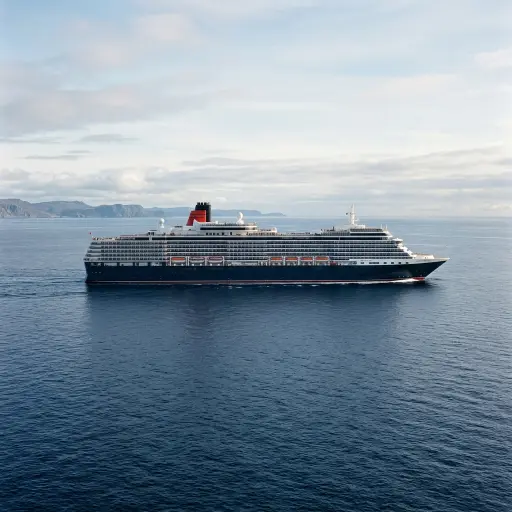
The following alternatives are most useful when ship refers to a vessel. Some are close synonyms, while others describe particular types of ships.
1. Vessel
Meaning: A large boat or other craft used for traveling on water.
Explanation: Vessel is the closest formal general alternative to ship. It is common in maritime, legal, government, and technical contexts.
Example:
The research vessel returned to port after a three-week expedition.
Best Use: Maritime writing, technical documents, news reports, and formal communication.
Worst Use: Casual conversation, where boat or ship may sound more natural.
Tone: Formal and professional.
2. Watercraft
Meaning: Any vehicle or craft designed to travel on water.
Explanation: This is broader than ship. It can include boats, ships, personal watercraft, and other floating vehicles.
Example:
The harbor accommodates several types of watercraft.
Best Use: Technical, legal, and general descriptive writing.
Worst Use: Do not use it when you specifically mean a large ocean-going ship.
Tone: Formal and technical.
3. Seagoing Vessel
Meaning: A vessel designed to travel on seas or oceans.
Explanation: This is a precise maritime expression rather than an everyday synonym.
Example:
The port can accommodate large seagoing vessels.
Best Use: Maritime regulations, shipping reports, and technical writing.
Worst Use: Casual conversation.
Tone: Formal and technical.
4. Craft
Meaning: A vehicle or vessel designed for travel on water.
Explanation: Craft can refer to many types of waterborne vehicles. It is broader than ship.
Example:
Several small craft were visible near the harbor.
Best Use: Maritime writing and general descriptions.
Worst Use: Avoid it when the size or type of vessel matters.
Tone: Neutral to formal.
5. Merchant Vessel
Meaning: A commercial vessel used to transport goods or people.
Explanation: This is narrower than ship. It specifically relates to commercial maritime activity.
Example:
The merchant vessel arrived with a shipment of agricultural equipment.
Best Use: Shipping, trade, maritime history, and business writing.
Worst Use: It would be inaccurate for a naval vessel.
Tone: Formal.
6. Cargo Vessel
Meaning: A vessel designed primarily to carry goods.
Explanation: A cargo vessel is a specific type of ship. It should not be used as a general replacement when the ship’s purpose is unknown.
Example:
The cargo vessel carried machinery across the Pacific.
Best Use: Logistics, shipping, trade, and business communication.
Worst Use: Passenger ships and recreational vessels.
Tone: Professional.
7. Liner
Meaning: A ship that operates on a regular route, traditionally carrying passengers or cargo.
Explanation: Liner is a narrower maritime term. In modern usage, it often appears in phrases such as ocean liner or container liner.
Example:
The ocean liner departed from the port early in the morning.
Best Use: Maritime history, passenger transportation, and shipping.
Worst Use: A small recreational boat.
Tone: Neutral to formal.
8. Freighter
Meaning: A ship used to transport cargo.
Explanation: Freighter is a practical alternative when the ship’s primary purpose is moving goods.
Example:
The freighter transported thousands of tons of grain.
Best Use: Shipping, logistics, trade, and news writing.
Worst Use: Passenger vessels.
Tone: Neutral and professional.
9. Tanker
Meaning: A ship designed to transport liquids in bulk.
Explanation: Tanker is a specific type of vessel rather than a general synonym.
Example:
The tanker transported crude oil to the refinery.
Best Use: Energy, maritime trade, logistics, and industry reporting.
Worst Use: Do not use it for an ordinary cargo or passenger ship.
Tone: Technical and professional.
10. Carrier
Meaning: A vessel designed to transport people, vehicles, aircraft, or cargo.
Explanation: Carrier has several meanings and is usually more precise when combined with another word, such as aircraft carrier or vehicle carrier.
Example:
The aircraft carrier returned to its home port.
Best Use: Military, logistics, and specialized maritime writing.
Worst Use: Avoid it as a general substitute if the type of ship is unknown.
Tone: Professional and technical.
11. Naval Vessel
Meaning: A ship operated by a country’s navy.
Explanation: This term is more specific than ship and covers various military vessels.
Example:
The naval vessel participated in the training exercise.
Best Use: Military and government writing.
Worst Use: Commercial or recreational vessels.
Tone: Formal.
12. Warship
Meaning: A military ship designed for combat or defense.
Explanation: Warship should only be used when the ship has a military combat role.
Example:
The warship entered the harbor during the exercise.
Best Use: Military history, defense writing, and news reporting.
Worst Use: Passenger ships or cargo vessels.
Tone: Formal and specific.
Semi-Formal and Neutral Alternatives
Boat
Meaning: A watercraft used for transportation, recreation, work, or other purposes.
Explanation: Boat and ship overlap, but they are not always interchangeable. In ordinary English, ship generally suggests a larger vessel, while boat often suggests a smaller one. Maritime usage can be more complicated.
Example:
We watched the boat move across the lake.
Best Use: Everyday conversation and general writing.
Worst Use: A large ocean-going vessel where ship or vessel is more accurate.
Tone: Neutral and everyday.
Steamer
Meaning: A steam-powered ship or boat.
Explanation: This is mainly historical or descriptive today because steam-powered vessels are no longer the normal form of commercial ship.
Example:
The old steamer carried passengers along the river.
Best Use: Historical writing and descriptions of older vessels.
Worst Use: Modern ships unless the vessel is actually steam-powered or the term is part of its name.
Tone: Historical.
Ferry
Meaning: A vessel that regularly transports people, vehicles, or both across a body of water.
Example:
We took the ferry to the island.
Best Use: Passenger transportation and travel writing.
Worst Use: General cargo ships or military vessels.
Tone: Neutral.
Yacht
Meaning: A recreational or luxury vessel.
Example:
The yacht remained in the marina overnight.
Best Use: Recreation, travel, and lifestyle writing.
Worst Use: Commercial cargo or military ships.
Tone: Neutral to upscale.
Sailboat
Meaning: A boat powered mainly by sails.
Example:
A sailboat crossed the bay before sunset.
Best Use: Recreation, travel, and general descriptions.
Worst Use: Large commercial ships that are not sailing vessels.
Tone: Neutral.
Schooner
Meaning: A type of sailing vessel with a particular rigging arrangement.
Example:
The historic schooner was restored for educational tours.
Best Use: Maritime history and sailing contexts.
Worst Use: As a general replacement for every kind of ship.
Tone: Specialized.
Barge
Meaning: A flat-bottomed vessel used mainly to transport cargo, often on rivers or canals.
Example:
The barge carried construction materials along the river.
Best Use: Inland shipping, construction, and freight.
Worst Use: Passenger or ocean-going ships when the vessel is not a barge.
Tone: Neutral and technical.
Cruiser
Meaning: A type of ship, especially a fast naval vessel, or a passenger vessel designed for cruising.
Example:
The naval cruiser traveled with the larger fleet.
Best Use: Military and maritime contexts.
Worst Use: General references to ordinary cargo ships.
Tone: Specialized.
Alternatives When “Ship” Means “Send”

The verb ship has a completely different meaning when it describes sending goods or products.
1. Send
Meaning: Cause something to go to another person or place.
Example:
We will send your order tomorrow.
Best Use: Almost any general context.
Worst Use: Technical situations where dispatch or transport gives more precise information.
Tone: Neutral and highly versatile.
2. Dispatch
Meaning: Send something or someone to a particular destination, often promptly.
Example:
The warehouse dispatched the order this afternoon.
Best Use: Business, logistics, customer service, and professional communication.
Worst Use: Casual conversations where send is simpler.
Tone: Professional.
3. Transport
Meaning: Move people or goods from one place to another.
Example:
The company transports products throughout the region.
Best Use: Logistics, freight, business, and transportation.
Worst Use: It does not necessarily imply that the sender is arranging a specific delivery.
Tone: Neutral to formal.
4. Deliver
Meaning: Take something to the person or place where it is expected.
Example:
The company delivered the package on Monday.
Best Use: Customer service, e-commerce, logistics, and everyday English.
Worst Use: Use ship when you specifically mean the process of sending an item rather than completing its delivery.
Tone: Neutral.
5. Forward
Meaning: Send something onward to another person or destination.
Example:
I will forward the documents to the regional office.
Best Use: Emails, documents, messages, and packages.
Worst Use: It can be misleading if the item is being sent directly from the original sender rather than passed onward.
Tone: Professional and neutral.
6. Mail
Meaning: Send something through a postal service.
Example:
We mailed the signed documents yesterday.
Best Use: Letters, documents, and postal packages.
Worst Use: Large commercial freight or international cargo where ship or transport is more accurate.
Tone: Everyday and neutral.
7. Convey
Meaning: Transport or communicate something from one place or person to another.
Example:
The pipeline conveys fuel to the storage facility.
Best Use: Formal, technical, and academic writing.
Worst Use: Casual package-delivery conversations.
Tone: Formal.
8. Transfer
Meaning: Move something from one location, person, or system to another.
Example:
The company transferred the equipment to its new facility.
Best Use: Business, logistics, finance, and technical contexts.
Worst Use: Ordinary package delivery when send or deliver is clearer.
Tone: Professional.
9. Export
Meaning: Send goods from one country to another for trade.
Example:
The company exports manufactured goods to several countries.
Best Use: International trade and business.
Worst Use: Domestic deliveries.
Tone: Formal and commercial.
10. Move
Meaning: Take something from one place to another.
Example:
The carrier moved the equipment to the distribution center.
Best Use: General logistics and everyday language.
Worst Use: Situations where the method or delivery stage needs to be specified.
Tone: Neutral.
Informal and Casual Alternatives
When ship is used as a verb meaning “send,” casual English usually favors simple expressions.
1. Send Out
Meaning: Send something to a destination or recipient.
Example:
We sent out the orders this morning.
When It Sounds Natural: Everyday business communication and conversation.
When to Avoid It: Formal reports may prefer dispatched.
Tone: Casual to neutral.
2. Send Off
Meaning: Send something away to its destination.
Example:
I sent off the application yesterday.
When It Sounds Natural: Casual conversation and personal communication.
When to Avoid It: Highly formal logistics documents.
Tone: Casual.
3. Get It Sent
Meaning: Arrange for something to be sent.
Example:
I’ll get the package sent this afternoon.
When It Sounds Natural: Informal workplace and everyday conversation.
When to Avoid It: Formal written communication.
Tone: Casual.
4. Mail Out
Meaning: Send something through the postal system.
Example:
We’ll mail out the invitations tomorrow.
When It Sounds Natural: Everyday American English.
When to Avoid It: Large freight shipments or electronic documents.
Tone: Casual to neutral.
Informal “Ship” in Online and Fandom Language
There is another modern meaning of ship: to support or favor a romantic pairing, usually involving fictional characters or public figures.
For example:
Many fans ship the two characters.
In this context, alternatives include support the pairing, favor the couple, root for the pair, or like them together.
These are contextual alternatives, not synonyms for the maritime or shipping meanings.
Support the Pairing
Meaning: Favor two people or characters as a couple.
Example:
Many viewers support the pairing.
Tone: Neutral and understandable.
Root for the Pair
Meaning: Hope that two people become or remain a couple.
Example:
I was rooting for the pair throughout the story.
Tone: Casual.
Favor the Couple
Meaning: Prefer or approve of two people being together.
Example:
Some readers favor the couple because their personalities complement each other.
Tone: Neutral.
True Synonyms vs. Contextual Alternatives
| Type | What It Means | Can It Replace “Ship”? |
|---|---|---|
| True/close synonym | Has essentially the same meaning in the same context | Often |
| Near synonym | Similar meaning but different scope or emphasis | Sometimes |
| Contextual alternative | Works for one specific meaning of ship | Depends on context |
| Broader expression | Covers more types of vessels or movement | Only sometimes |
| Narrower expression | Describes a specific ship type or shipping action | Only when appropriate |
The most important distinction is that ship is polysemous, meaning it has multiple meanings.
- Ship → large water vessel
- Vessel → broad maritime term
- Boat → usually smaller watercraft in everyday usage
- Freighter → cargo-carrying ship
- Tanker → liquid-cargo ship
- Send → general verb for causing something to go somewhere
- Dispatch → formally send something
- Deliver → bring something to its intended destination
Industry-Specific Usage
Business Writing
In business writing, ship is often used for products and orders:
We ship orders within two business days.
Possible alternatives include:
We dispatch orders within two business days.
or:
We send orders within two business days.
Use dispatch when you want a more professional logistics tone.
Corporate Communication
Corporate reports may use:
- Dispatch
- Transport
- Transfer
- Deliver
- Export
- Distribute
Example:
“The company transports finished products to regional distribution centers.”
This is more specific than simply saying the company “ships” products.
Academic Writing
Academic writing may use vessel, watercraft, maritime vessel, transport, convey, or dispatch, depending on the subject.
Example:
“The research vessel collected samples from several coastal locations.”
For an academic paper, vessel is often more precise than repeatedly using ship.
Customer Service
Customer-facing communication should usually use simple terms:
Your order has been shipped.
Your order has been dispatched.
Your order is on its way.
Your order has been delivered.
These phrases are not identical. Shipped means sent into the delivery process; delivered means it has reached the recipient.
Legal Writing
Legal and regulatory documents may use terms such as vessel, carrier, merchant vessel, cargo vessel, or watercraft.
The correct term depends on the legal document and subject matter. A casual synonym should not replace a defined legal term merely for stylistic variety.
Email Communication
For professional emails, use:
- Sent
- Dispatched
- Delivered
- Forwarded
- Transported
- Transferred
Choose the word that describes what actually happened.
Email Examples
1. Client Communication — Dispatched
Hello,
I’m writing to confirm that your order was dispatched this afternoon.
You should receive the tracking information shortly. Please let us know if you have any questions about the delivery.
Best regards,
Customer Support
2. Internal Workplace Email — Forwarded
Hi Maria,
I’ve forwarded the updated documents to the finance team for review.
They’ll let us know if any additional information is needed.
Thanks,
James
3. Vendor Communication — Transported
Hello,
The equipment has been transported to the regional facility and is now ready for inspection.
Please confirm when your team expects to begin the inspection process.
Best,
Daniel
4. Customer Service — Delivered
Hello,
Your order was delivered earlier today according to the latest delivery update.
If you have not received it, please reply to this email so we can help you check the delivery details.
Kind regards,
Support Team
5. Academic Communication — Sent
Dear Professor,
I have sent the requested research materials as an attachment.
Please let me know if you would prefer the sources in a different format.
Thank you,
Alex
Short Dialogue Examples
Workplace
Person A: Has the order gone out?
Person B: Yes, it was dispatched this morning.
Classroom
Person A: What do we call a large vessel used for carrying goods?
Person B: A freighter or cargo vessel, depending on the type.
Customer Service
Person A: Has my package been shipped?
Person B: Yes. It was sent yesterday and is now in transit.
Casual Conversation
Person A: How are you getting to the island?
Person B: We’re taking the ferry.
Professional Discussion
Person A: What type of vessel was used for the study?
Person B: A research vessel equipped for oceanographic work.
How to Replace “Ship” in a Sentence
1. Vessel
Original:
The ship arrived at the port.
Alternative:
The vessel arrived at the port.
Why it works:
Vessel is a more formal general term for a ship.
2. Freighter
Original:
The ship carried thousands of tons of cargo.
Alternative:
The freighter carried thousands of tons of cargo.
Why it works:
Freighter identifies the ship as a cargo-carrying vessel.
3. Boat
Original:
The ship crossed the lake.
Alternative:
The boat crossed the lake.
Why it works:
If the vessel is relatively small, boat is more natural.
4. Dispatch
Original:
The company will ship your order tomorrow.
Alternative:
The company will dispatch your order tomorrow.
Why it works:
Dispatch gives the sentence a more professional logistics tone.
5. Send
Original:
We will ship the documents today.
Alternative:
We will send the documents today.
6. Deliver
Original:
The company shipped the package to my office.
Alternative:
The company delivered the package to my office.
Why it works:
Delivered emphasizes that the package reached its destination.
7. Transport
Original:
The company ships equipment across the country.
Alternative:
The company transports equipment across the country.
Why it works:
Transport emphasizes the movement of goods rather than the shipping process.
8. Tanker
Original:
The ship carried crude oil.
Alternative:
The tanker carried crude oil.
Why it works:
Tanker identifies a particular type of cargo vessel.
Comparison Table
| Phrase | Tone | Meaning / Scope | Best Use | Example |
|---|---|---|---|---|
| Ship | Neutral | Large water vessel or send goods | General use | The ship arrived |
| Vessel | Formal | Watercraft, especially a larger one | Maritime writing | The vessel arrived |
| Boat | Neutral | Usually smaller watercraft | Everyday use | The boat crossed the lake |
| Craft | Formal/Neutral | Water-based vehicle | General maritime use | Several craft departed |
| Freighter | Professional | Cargo-carrying ship | Freight | The freighter arrived |
| Liner | Neutral/Formal | Ship operating on a route | Passenger/shipping | The liner departed |
| Tanker | Technical | Ship carrying liquids | Energy/shipping | The tanker docked |
| Ferry | Neutral | Carries people/vehicles across water | Transport | The ferry departed |
| Yacht | Neutral | Recreational vessel | Leisure | The yacht entered the marina |
| Warship | Formal | Military combat vessel | Defense | The warship sailed north |
| Send | Neutral | Cause something to go somewhere | General delivery | Send the package |
| Dispatch | Formal | Send, often promptly | Logistics | Dispatch the order |
| Deliver | Neutral | Bring to the intended destination | Customer service | Deliver the package |
| Transport | Professional | Move people or goods | Logistics | Transport the equipment |
| Forward | Professional | Pass something onward | Email/documents | Forward the file |
| Export | Formal | Send goods abroad | International trade | Export the products |
Which Alternative Should You Choose?
For Formal Writing
Use vessel, seagoing vessel, merchant vessel, or watercraft when describing maritime transportation.
For Business Communication
Use dispatch, transport, deliver, or forward depending on what is happening.
For Academic Writing
Choose vessel for maritime subjects and transport, convey, or dispatch for the movement of goods.
For Legal Writing
Prefer the exact technical or legally defined term required by the document. Vessel is often more precise than the casual boat, but context determines the correct terminology.
For Professional Email
Use sent, dispatched, delivered, forwarded, or transported according to the actual stage of the process.
For Everyday Conversation
Ship, boat, send, and deliver are usually the clearest choices.
For Casual Messages
Simple phrases such as send it, send it out, mail it out, or get it sent sound natural.
Grammar & Usage Guide
“Ship” as a Noun
Ship refers to a vessel, it is a countable noun.
The ship arrived.
Three ships entered the harbor.
The plural form is ships.
“Ship” as a Verb
When ship means send goods, it is a regular verb.
- Present: ship
- Third-person singular: ships
- Past: shipped
- Past participle: shipped
- Present participle: shipping
Examples:
We ship orders every day.
The company shipped my package yesterday.
They are shipping the equipment tomorrow.
“Ship” vs. “Ship Out”
Ship is the standard verb:
We ship orders worldwide.
Conversational and emphasizes sending something away:
We shipped the orders out this morning.
“Ship To” and “Ship From”
The standard prepositions are to and from.
We ship products to customers worldwide.
The order ships from our warehouse.
“Ship With”
When describing a carrier or delivery method:
The package ships with our standard delivery service.
“Shipped” Does Not Mean “Delivered”
This is one of the most useful distinctions.
Your order has been shipped.
means it has been sent into the delivery process.
Your order has been delivered.
means it has reached its intended destination.
“A Ship” vs. “The Ship”
Use a ship when introducing a nonspecific vessel:
A ship appeared on the horizon.
Use the ship when referring to a specific vessel already known from context:
The ship entered the harbor.
Capitalization
The ordinary noun ship is lowercase.
The ship arrived at noon.
Capitalization may change when Ship is part of an official name or title, according to the naming convention being used.
Common Mistakes to Avoid
1. Calling Every Watercraft a Ship
A kayak, canoe, or small recreational boat is not normally called a ship. Choose boat, craft, or the specific vessel type when appropriate.
2. Using “Boat” for Every Ship
Although boat is sometimes used broadly, it can sound inaccurate when referring to a large ocean-going vessel.
3. Calling Every Cargo Ship a Freighter
Freighter specifically suggests cargo transportation. A passenger ship should not be called a freighter.
4. Confusing “Shipped” With “Delivered”
An item can be shipped but still be in transit.
5. Using “Dispatch” in Casual Conversation
“Send” is often clearer and more natural in everyday speech.
6. Using “Tanker” as a General Synonym
A tanker is a specific type of ship, usually designed to carry liquid cargo.
7. Confusing “Ship From” and “Ship To”
Ship from identifies the origin. Ship to identifies the destination.
8. Treating Online “Ship” as a Maritime Term
In fandom and social media, ship can mean supporting a romantic pairing. The meaning comes entirely from context.
9. Overusing Technical Terms
If your readers simply need to know that something was sent, send may be much clearer than dispatch or convey.
When Not to Use “Ship”
There are several situations where a more specific word is better.
1. When You Mean a Small Watercraft
Use boat if the context clearly involves a smaller vessel.
2. When You Know the Vessel’s Function
Use tanker, freighter, ferry, yacht, or warship when that specific information matters.
3. When You Mean Delivery Has Been Completed
Use delivered, not merely shipped.
4. When You Mean Sending a Document
Send or forward may be clearer than ship.
5. When Writing a Technical Document
Use vessel or the appropriate specific maritime term when precision matters.
6. When Talking About International Trade
Export may be more accurate when goods are being sent from one country to another.
7. When the Context Is Fandom
If the audience may not understand the slang, write support the pairing or favor the couple instead.
Still, ship is often the best choice in ordinary contexts because it is short, familiar, and flexible.
Advanced Writer Tips
Professional Email Etiquette
Choose the verb that describes the actual stage of an order.
Instead of saying:
Your package has been delivered.
when it has only left the warehouse, say:
Your package has been dispatched.
Accuracy matters more than variety.
Politeness
In customer communication, send and deliver are often easier for customers to understand than specialized logistics terms.
Compare:
Your order has been dispatched.
with:
Your order has been sent and is now on its way.
The second version may be clearer for a general audience.
Context Alignment
First identify which meaning of ship you are using:
- A water vessel
- Sending goods
- Informal relationship slang
Then select a replacement from that meaning group.
Precision
A good synonym should preserve the important information.
If you only know it is a large water vessel, ship or vessel is safer.
Readability
Do not replace a simple word merely to sound sophisticated.
We sent the documents yesterday.
is usually better than:
We conveyed the documents to the relevant recipient yesterday.
Clear language wins when both sentences communicate the same idea.
Related Questions
1. What is another word for “ship”?
If ship means a water vessel, vessel, boat, craft, liner, freighter, and watercraft are common alternatives. If it means sending something, send, dispatch, transport, and deliver may work.
2. What is a professional alternative to “ship”?
For sending products, dispatch and transport are professional alternatives. For a maritime vessel, vessel is the most broadly useful formal alternative.
3. What is a formal word for “ship”?
Vessel is the most common formal general alternative. Depending on the context, seagoing vessel or merchant vessel may be more precise.
4. What can I use instead of “ship” for a package?
Use send, dispatch, mail, transport, or deliver, depending on what you mean. Dispatch emphasizes sending, while deliver emphasizes arrival at the destination.
5. Is “ship” formal?
Yes. Ship is a standard English word and works in formal and informal writing. It is not inherently casual. More technical contexts may favor terms such as vessel or cargo vessel.
6. Can “vessel” replace “ship”?
Usually, yes, when ship refers to a watercraft. However, vessel is broader and may include watercraft that would not normally be called ships.
7.What is the difference between “ship” and “boat”?
In everyday English, ship generally refers to a larger vessel, while boat often refers to a smaller one. The boundary is not perfectly fixed, and specialized maritime usage can be more complicated.
FAQs
1. What is the closest synonym for ship?
Vessel is the closest formal general synonym when ship refers to a watercraft. In everyday language, boat may also work, but it can suggest a smaller vessel.
2. What is another word for ship when sending a package?
The best choices are send, dispatch, or mail. Use deliver if you are emphasizing that the package reaches its destination rather than simply being sent.
3. What is a formal synonym for ship?
Vessel is the strongest general formal alternative for the noun. For the verb, dispatch is a useful formal alternative when you mean sending goods.
4. Is “vessel” the same as “ship”?
Not exactly. Vessel is a broader maritime term that can include ships and other watercraft. A ship is generally a type of vessel, but not every vessel would normally be called a ship.
5. What is a synonym for a cargo ship?
Depending on the vessel, you can use freighter, cargo vessel, merchant vessel, or cargo carrier. Freighter is a common general term for a ship that transports cargo.
6. What is the difference between “ship” and “dispatch”?
As a verb, ship means send goods through a delivery or transportation system. Dispatch also means send, but it often has a more formal or logistical tone and can emphasize prompt sending.
7. What is the difference between “ship” and “deliver”?
Ship usually describes sending an item into the transportation process. Deliver focuses on bringing the item to its intended recipient or destination. A package can be shipped without yet being delivered.
Key Takeaways
- Vessel is the best broad formal alternative when ship means a watercraft.
- Boat, freighter, tanker, ferry, yacht, and warship describe more specific types of watercraft.
- When ship means “send,” use send, dispatch, transport, or deliver according to the exact action.
- Shipped and delivered are not interchangeable because shipping begins the delivery process while delivery indicates arrival.
- Always identify the meaning of ship before choosing a synonym, especially because the word also has an informal online meaning.